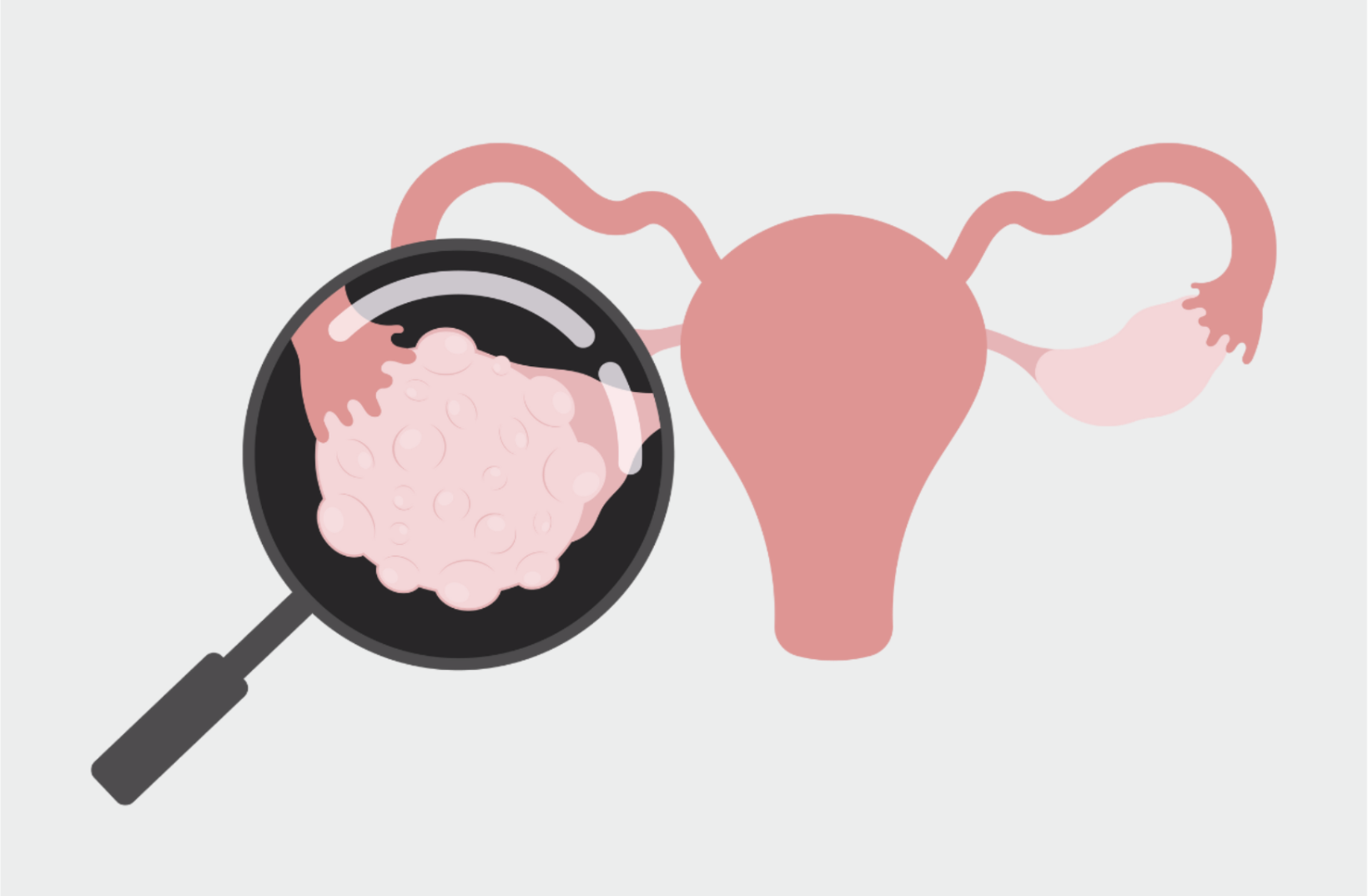
In recent years, egg freezing has become a popular option for those looking to preserve their fertility. The procedure, which involves retrieving and freezing eggs for future use, can offer some flexibility for those who may want the option of having kids down the line. However, like any medical procedure, egg freezing isn’t without risks. One pressing concern among prospective egg freezers is whether the process might increase the risk of cancer.
This is a fair question, considering that during an egg freezing cycle, patients do take medication for hormonal manipulation, and hormones do play a role in some cancers, like breast cancer. This article explores current research on the topic, focusing on the potential cancer risks associated with fertility medications used in egg freezing.
Understanding egg freezing medications
Before we dive into associated risks, it’s important to understand the egg freezing process and what medications are used. Egg freezing involves stimulating the ovaries to produce multiple eggs, which are then retrieved and frozen — as opposed to in vitro fertilization (IVF), where eggs are fertilized right away and resulting embryos are either transferred into a uterus or frozen for future use.
In both IVF and egg freezing, the patient uses several hormonal medications to enhance egg production, including:
Gonadotropins (FSH and LH)
- Follicle-Stimulating Hormone (FSH): Stimulates the ovaries to produce multiple follicles, each containing an egg.
- Luteinizing Hormone (LH): Works in concert with FSH to promote follicle growth and maturation.
Elevated levels of FSH and LH could theoretically increase the exposure of breast and ovarian tissues to hormones, but current research hasn’t established if this influences cancer cell proliferation.
GnRH agonists and antagonists
- GnRH agonists: These medications initially increase, then suppress the production of FSH and LH by the pituitary gland, preventing premature ovulation.
- GnRH antagonists: Directly block the pituitary gland’s release of FSH and LH, also preventing premature ovulation.
By controlling the release of FSH and LH, GnRH agonists and antagonists help manage the stimulation of the ovaries. These medications have a more regulatory role, which may not have a direct impact on cancer risk.
Human Chorionic Gonadotropin (hCG):
hCG mimics the natural LH surge to trigger the final maturation of eggs before they are retrieved. The hormonal impact of hCG is more short-term compared to the longer-term effects of FSH and LH. Current research considers hCG to carry minimal risk impact, due to its temporary use.
Current research findings
It’s important to maintain a discerning eye when reviewing research about egg freezing and cancer. Earlier studies may have suggested a possible connection, but were often not very controlled and had small sample sizes.
Breast cancer
In 2022, a meta-analysis encompassing 25 studies and 617,479 participants alleviated most concerns. The data yielded by the meta-analysis indicated that fertility treatments were not associated with a significant increase in breast cancer risk, even if patients underwent six or more cycles. This is reassuring, considering the huge sample size. What’s more is that this data involved long-term follow-up — even after a decade (more time for potentially latent cancer to manifest), the findings remained consistent.
Ovarian cancer
The research on ovarian cancer risk related to fertility treatments is less definitive but still reassuring. A review published in Current Opinions in Obstetrics and Gynecology (2017) found that while some earlier studies suggested a potential increase in ovarian cancer risk, there is no overall association between fertility medication use and invasive ovarian cancer. The authors emphasize that earlier studies compared subfertile (aka infertile) groups — already at slightly increased risk of ovarian cancer — to the general population. In other words, previous studies did not compare groups apples-to-apples and should have used a more similar group as a control.
Endometrial and uterine cancer
Studies on risks of developing endometrial cancer — the most common type of uterine cancer — related to fertility medications have also been reassuring. A 2021 Cancer Causes & Control study with 146,104 participants found no substantial evidence linking fertility treatments to an increased risk of endometrial cancer. The review noted that while hormone exposure can be a factor in endometrial cancer risk, current data does not show a significant enough association between egg freezing medication usage and endometrial cancer.
That being said, there are other less common forms of uterine cancer to consider, like uterine sarcomas. However, a 2024 Fertility and Sterility article noted that there is no conclusive evidence that fertility drugs increase the risk of uterine cancer. People with infertility may be at higher risk of uterine cancer, but this is true without the usage of medications and doesn’t apply to those without infertility who are electively freezing their eggs.
Limitations and areas for further research
It’s important to recognize that most studies have focused on people undergoing IVF due to infertility rather than elective egg freezers. Infertility itself, along with other factors, could influence cancer risk, making it challenging to generalize findings from infertile populations to those opting for elective egg freezing.
Long-term data specific to egg freezing and cancer risk is still emerging. While current evidence is reassuring, ongoing research will provide more comprehensive insights into the potential long-term impacts. Findings can also be extended from egg freezing to egg donation, as the same process, medication, and risks apply to both scenarios.
Next steps
While there is still a degree of uncertainty and research is still ongoing, current findings provide a reassuring outlook for those considering egg freezing. Large-scale studies generally find no significant association between fertility medications and an increased risk of cancer, including breast, ovarian, and endometrial cancers. However, as with any medical procedure, it is essential to stay informed and consider emerging research. Ultimately, only you can determine your own comfort zone.
If you have concerns about egg freezing and associated risks, reaching out to experts can provide clarity and guidance. At Cofertility, we are dedicated to helping you understand your egg freezing options, addressing any questions you may have, and help you freeze your eggs more affordably — even for free for those who donate half of the eggs retrieved to another family who can’t conceive. To learn more and get started, click here.
Sources
National Cancer Institute. Cancer Causes and Prevention. Published April 2015. Accessed September 2023. URL
Cullinane C, Gillan H, Geraghty J, et al. Fertility treatment and breast-cancer incidence: meta-analysis. BJS Open. 2022;6(1):zrab149. doi:10.1093/bjsopen/zrab149 URL
Kroener L, Dumesic D, Al-Safi Z. Use of fertility medications and cancer risk: a review and update. Curr Opin Obstet Gynecol. 2017 Aug;29(4):195-201. doi: 10.1097/GCO.0000000000000370. PMID: 28538003; PMCID: PMC5551049. URL
Guleria, S., Jensen, A., Albieri, V. et al. Endometrial cancer risk after fertility treatment: a population-based cohort study. Cancer Causes Control. 2021. 32, 181–188. URL
Practice Committee of the American Society for Reproductive Medicine. Fertility drugs and cancer: a guideline. Fertility and Sterility. 2024; 106: 1617-1626. URL


Dr. Mare Mbaye
Mare Mbaye, MD is a board certified OBGYN based in New York City, in addition to being a Cofertility Founding Medical Advisor. She has worked in the private practice setting caring for pregnant and non-pregnant people with a variety of medical concerns. Dr. Mbaye also boasts several years of experience as a medical advisor, digital health startup consultant, and content creator. Previously, Dr. Mbaye has served as the Medical Director for Noula Health and advised, consulted, and created original content for other startups including Delfina Care, Mina Health, and Pollie. Today, she is also a Medical Advisor for Frame Fertility. Dr. Mbaye is on a mission to bring empathetic, holistic, and affirming reproductive healthcare to all, with a particular focus on historically marginalized groups. With Cofertility, Dr. Mbaye hopes to bridge accessibility gaps in egg freezing to provide people with more freedom and options when it comes to how they build their families. She loves supporting work in the fertility space that thinks outside the conventional bounds of traditional healthcare in the US.
Read more from
Dr. Mare Mbaye
Keep learning