Has anyone ever told you that freezing your eggs will affect your ability to conceive naturally in the future? If you’ve heard this before, it’s understandable that it would make you think twice about pursuing egg freezing or donation. While this is a common question, it’s actually a misconception. Read on to learn more about why this is a myth and what egg freezing actually does for your fertility.
The truth about egg freezing (or donation) and fertility
Let's get right to it—does freezing or donating eggs impact your ability to get pregnant on your own in the future? The short answer is no, egg freezing won’t lower your egg reserve and it won’t affect your chances of getting pregnant naturally when you’re ready to do so. To understand why this is, let’s talk about the ovulation process.
What happens when you ovulate?
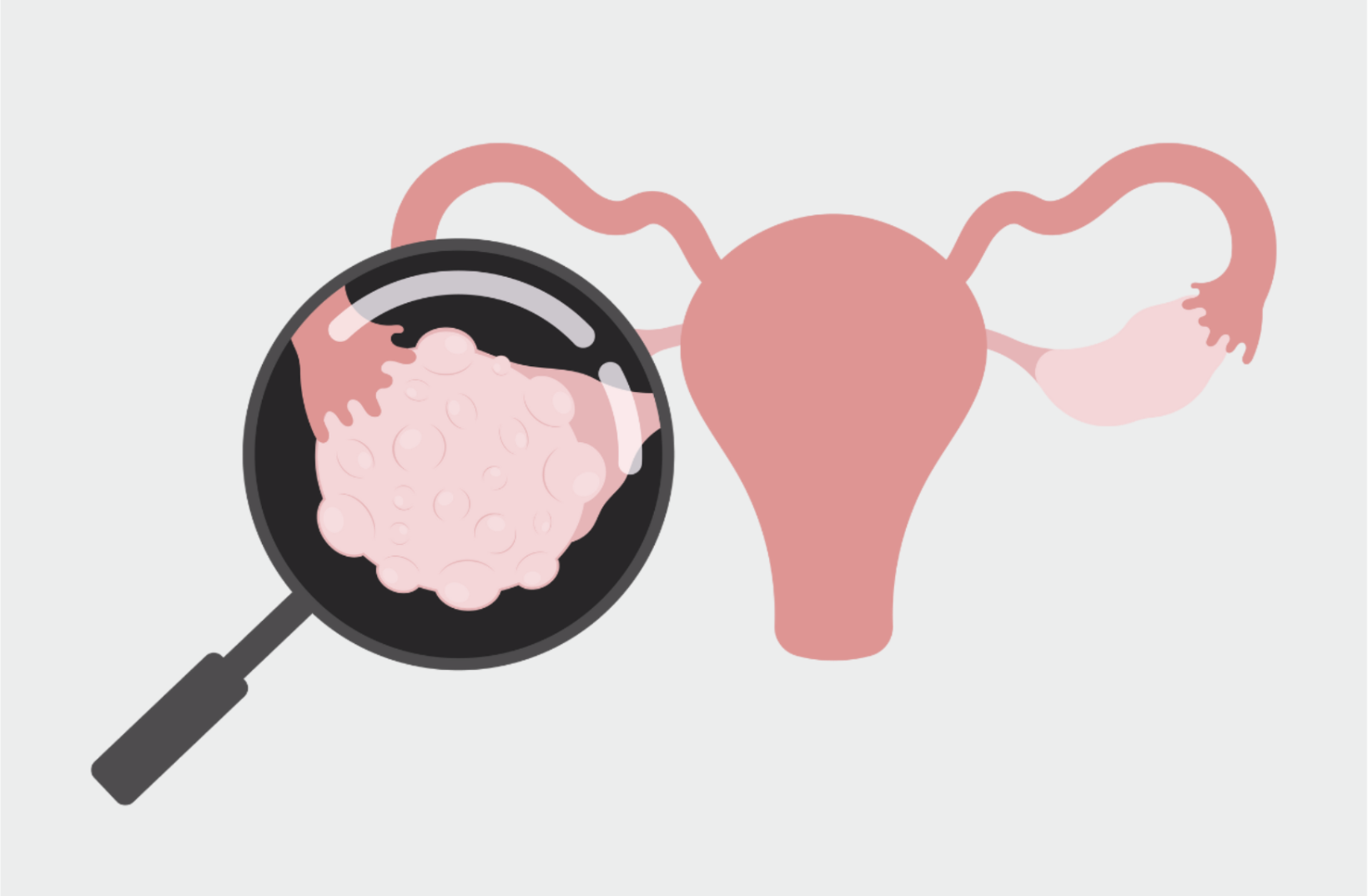
At the start of each menstrual cycle, when someone is on their period, their pituitary gland (in the brain) will release follicle stimulating hormone (FSH). FSH triggers fluid-filled sacs in both ovaries to grow. These sacs are called follicles and they each contain an egg. The follicles grow until a second signal from the brain forces only one follicle (the “dominant” follicle) to continue to mature and eventually release its egg. That egg being released is what we call ovulation.
Now that that single egg has been ovulated, what happens to all the other eggs in those other follicles? Well, since those follicles weren’t chosen as the dominant follicle, they stop growing and the eggs inside of them die. This is known as atresia. So, it’s basically survival of the fittest in each ovary every month — yikes!
So what does all that have to do with egg freezing?
Let’s briefly review what the egg retrieval process is for egg freezing, donation, and in vitro fertilization (IVF). The hormone medications used during all three processes prompts your ovaries to allow all of the eggs in a single cycle to mature (instead of the usual one) so you can freeze them for if and when you might need them later on.
Once the follicles have reached an appropriate size, the eggs are collected during a quick procedure in the office. This retrieval process happens under light sedation and involves using a vaginal ultrasound and a long needle with a suction device to retrieve the eggs. I promise this sounds much more intense than it actually is! An embryologist (an expert in the science of egg freezing) looks at each egg and grades their maturity before freezing them. If you’re doing IVF, they’ll go through fertilization instead of being frozen.
Can I get pregnant unassisted after egg freezing?
What you may have noticed from what was just explained is that egg freezing actually rescues all the other eggs that your body would otherwise allow to die during a normal menstrual cycle. So the process of egg freezing doesn’t take anything away from your egg reserve, it actually helps you save some extra eggs! And since during each cycle, your body goes through the ovulation process again with a new set of competing eggs, your chances of getting pregnant unassisted in the future also aren’t affected by egg freezing.
What egg freezing does do is give you additional options for if and when you’re ready to start growing your family.
Egg freezing actually rescues all the other eggs that your body would otherwise allow to die during a normal menstrual cycle. So egg freezing doesn’t take anything away from your egg reserve, it actually helps you save some extra eggs!
Can egg freezing damage my ovaries?
Like any other procedure, there are risks and side effects when freezing eggs, including risks of anesthesia, bleeding, pain, and infection. Thankfully, the majority of people who go through with it deal with side effects for a few days at most. When it comes to the ovaries themselves, they generally recover quickly. While there isn’t a lot of data specific to egg donors (as opposed to people freezing their eggs for themselves), the overall data indicate that the potential risks of surgical complications from egg retrieval are generally very small. However, in people with a history of endometriosis, pelvic inflammatory disease, pelvic adhesions or previous pelvic surgery, the risks are slightly increased so make sure to speak to your doctor about your medical history if you fall into any of these categories.
In terms of complications down the road, there are really two main ways by which egg retrieval might conceivably affect future fertility. The first way is by bleeding and infection from the procedure leading to adhesions (scar tissue) and the need for further surgeries. The second way is through trauma to the ovaries causing the creation of antibodies that may make fertilization of an egg more difficult.
Fortunately, there is no data that supports either possibility. According to one large study of over 7,000 IVF cycles, the rates of both infection and need for surgery to treat a pelvic abscess was 0.03% (about 1 in 3,000 IVF cycles). As for the scar tissue and antibodies, researchers have not found a higher rate of adhesions among people who have had an egg retrieval compared to those who haven’t nor have they found evidence that antibodies interfere with sperm’s ability to fertilize an egg.
It’s up to you!
If you decide to go through with egg freezing, Freeze by Co is here to help. Our Split program allows those who qualify to freeze their eggs for free! In a Split cycle, you donate half of the eggs retrieved to a family that can’t otherwise conceive and freeze the remaining half for yourself.
If you don’t want to donate, you can still participate in the Keep program, where you’ll be able to freeze your eggs and keep them all for yourself, on your timeline. In addition, you’ll have access to our online support community. This valuable resource lets you engage with other people freezing their eggs at the same time!
Whatever you choose, our team is here to support you as you determine which family-building options are right for you!


Dr. Mare Mbaye
Mare Mbaye, MD is a board certified OBGYN based in New York City, in addition to being a Cofertility Founding Medical Advisor. She has worked in the private practice setting caring for pregnant and non-pregnant people with a variety of medical concerns. Dr. Mbaye also boasts several years of experience as a medical advisor, digital health startup consultant, and content creator. Previously, Dr. Mbaye has served as the Medical Director for Noula Health and advised, consulted, and created original content for other startups including Delfina Care, Mina Health, and Pollie. Today, she is also a Medical Advisor for Frame Fertility. Dr. Mbaye is on a mission to bring empathetic, holistic, and affirming reproductive healthcare to all, with a particular focus on historically marginalized groups. With Cofertility, Dr. Mbaye hopes to bridge accessibility gaps in egg freezing to provide people with more freedom and options when it comes to how they build their families. She loves supporting work in the fertility space that thinks outside the conventional bounds of traditional healthcare in the US.
Read more from
Dr. Mare Mbaye
Keep learning